326 Siege Battery, Royal Garrison Artillery, 20 September 1917
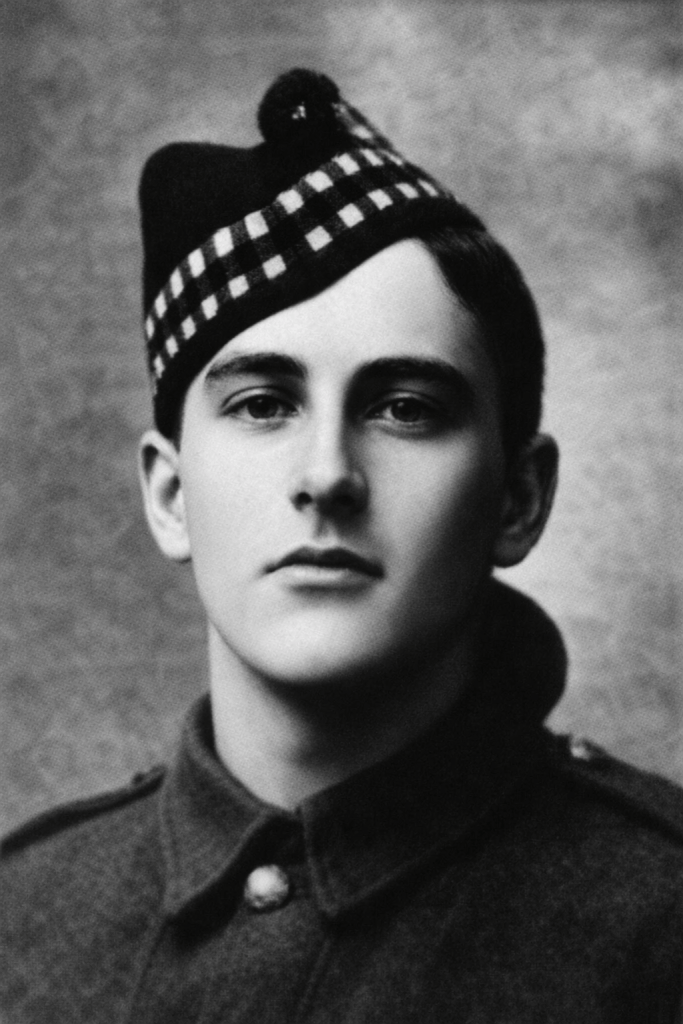
Synopsis of Life and Military Service
David Drynan Forbes, was born at 22 Selkirk Street, Hamilton, Lanarkshire, on 26 March 1892, the second son of John Forbes, of Claremont, Bent Road, Hamilton (formerly 39 Union Street, Hamilton), and his wife Jane Drynan. He was educated at St. John’s Grammar School in Hamilton and, in civilian life, worked as an engineer, a trade that would later earn him the respect of his officers and comrades alike.
David enlisted at Hamilton on 22 October 1914, in the early months of the Great War, joining the 7th Battalion, Seaforth Highlanders as Private, 5576. He went out to serve with the Expeditionary Force in France and Flanders from 9 May 1915, facing some of the harshest fighting of the war’s early years.
During the fighting at Loos in September 1915, he was gassed, surviving the terrible effects of poison gas, and over the course of his service he was wounded twice. Despite these hardships, he continued to serve with distinction. In February 1917, his skills as an engineer and craftsman led to his transfer to the 326th Battery, Royal Garrison Artillery, where he rose to the rank of Fitter / Staff-Sergeant. The Battery was equiped with the 6-inch Howitzer which was pulled by a team of horses or a 4 wheel drive lorry. (photo below is of a 6-inch howitzer).
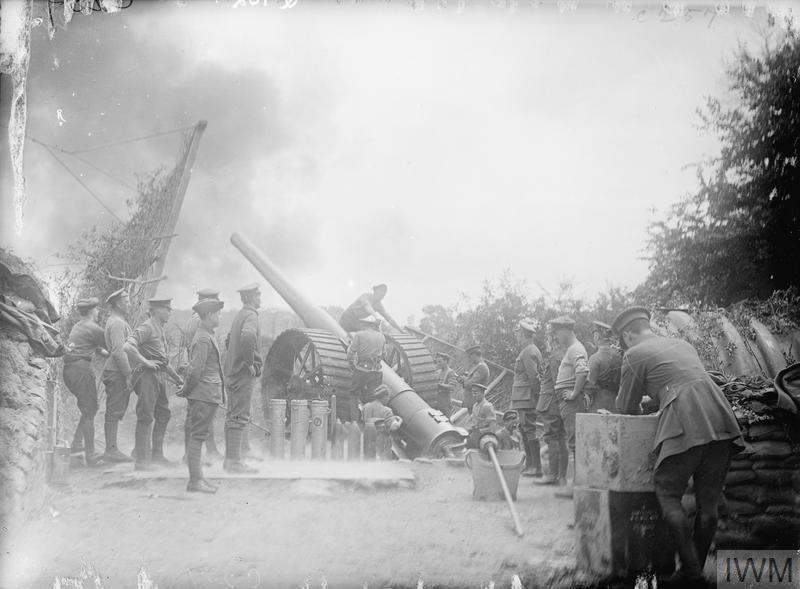
David Forbes was killed in action on 20 September 1917 during the intense fighting in Flanders, near the strategically important village of Dickebusch (now Dikkebus), just southwest of Ypres. This area lay just behind the front lines and was subjected to relentless shelling, serving as a crucial support and staging ground for British artillery during the wider offensive.
At the time of his death, David was serving with 326 Siege Battery, part of the 98 Heavy Artillery Group and Northern Counter Battery Group. This formation brought together several siege batteries, 46th, 277th, 280th, 36th, 17th, 245th, and 73rd,equipped with heavy guns tasked with destroying enemy artillery, strongpoints, and defensive positions ahead of infantry advances.
On that day, the group took part in the Battle of Menin Road Ridge, a major and carefully planned phase of the larger Third Battle of Ypres. This battle marked a shift in British tactics under General Herbert Plumer, who employed a series of “bite and hold” attacks limited advances supported by overwhelming and precisely coordinated artillery fire, followed by consolidation of captured ground.
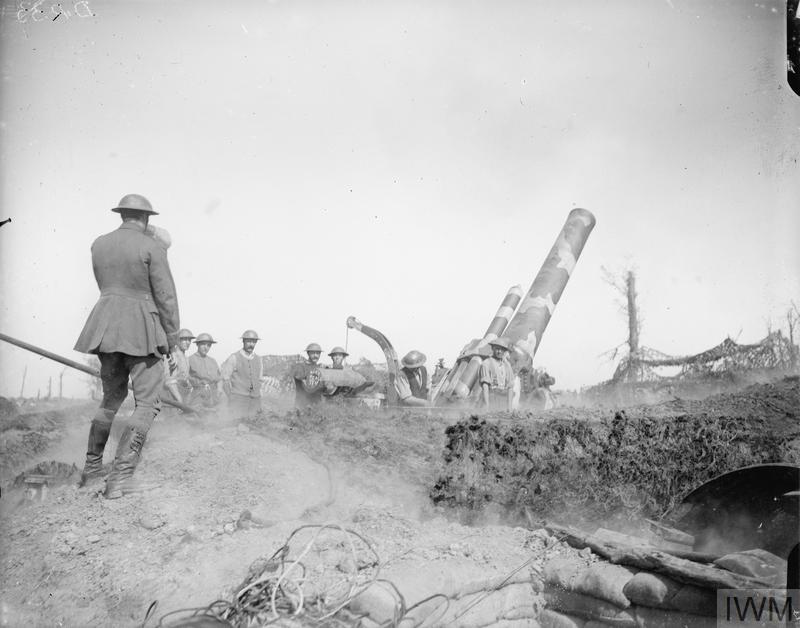
The attack began early in the morning at 5:41 a.m., with the artillery barrage opening in difficult conditions: thick mist, low cloud, and steady rain reduced visibility almost entirely. Despite this, the British guns carried out a highly organized creeping barrage, designed to move forward in stages just ahead of the advancing infantry. The heavy artillery, including 326 Siege Battery, focused on counter-battery fire, targeting German guns to reduce their ability to respond. During this period, 326 Siege Battery was engaged in firing on two identified enemy gun positions.
The Menin Road itself was a vital route running east from Ypres and had long been a focal point of fighting. The ridge surrounding it gave the Germans strong defensive advantages, including observation over British lines. Capturing this ground was essential to improving Allied positions and reducing the threat from German artillery.
As the British bombardment intensified, German forces responded with determined and sustained counter-battery fire. Heavy shells fell on British gun positions and support areas such as Dickebusch, which were well within range of German artillery. These counterattacks were often sudden and devastating, especially given the poor visibility, which made it difficult to detect incoming fire or relocate quickly.
It was during this exchange of artillery fire that David Forbes is believed to have been killed. Like many artillerymen in the Ypres Salient, he faced constant danger from the enemy guns he was targeting.
The Battle of Menin Road Ridge ultimately proved a significant success for the British. The carefully coordinated use of artillery and infantry allowed them to capture key positions and inflict heavy losses on German forces. However, the cost remained high, and for men like David Forbes, the gains came at the ultimate sacrifice.
His Commanding Officer paid tribute to him in a letter to his family:
“Your son’s merits stood out conspicuously, and I am bringing his conduct to the notice of higher authority. He was a hard worker and skilful craftsman, and a fearless soldier. You may be very proud of him.”
These words capture the character of a man who combined professional skill with bravery under fire, earning admiration from those who served beside him.
Away from duty, David was remembered as a man who took a keen interest in football, a reminder of the ordinary passions and pleasures that connected soldiers to the lives they had left behind.
Sadly, his remains were never recovered, or were among those never identified. He is therefore commemorated on the Tyne Cot Memorial, Belgium, among the thousands of men who have no known grave. A poignant detail remains: his memorial cross was later found at map reference I.28.c.9.9, though no remains were discovered there.
Today, Staff-Sergeant David Drynan Forbes is remembered not only as one of the missing, but as a devoted son, a skilled engineer, a fearless soldier, and a man whose sacrifice remains honoured more than a century later.
War Diary – 326 Siege Battery, Royal Garrison Artillery
Although the War Diary for the 326th Siege Battery no longer survives, details of the battery’s activities can still be found in the War Diary of the 98th Heavy Artillery Group and Northern Counter Battery Group. This record is available to download free of charge from the National Archives under reference WO 95/482/1.
Family
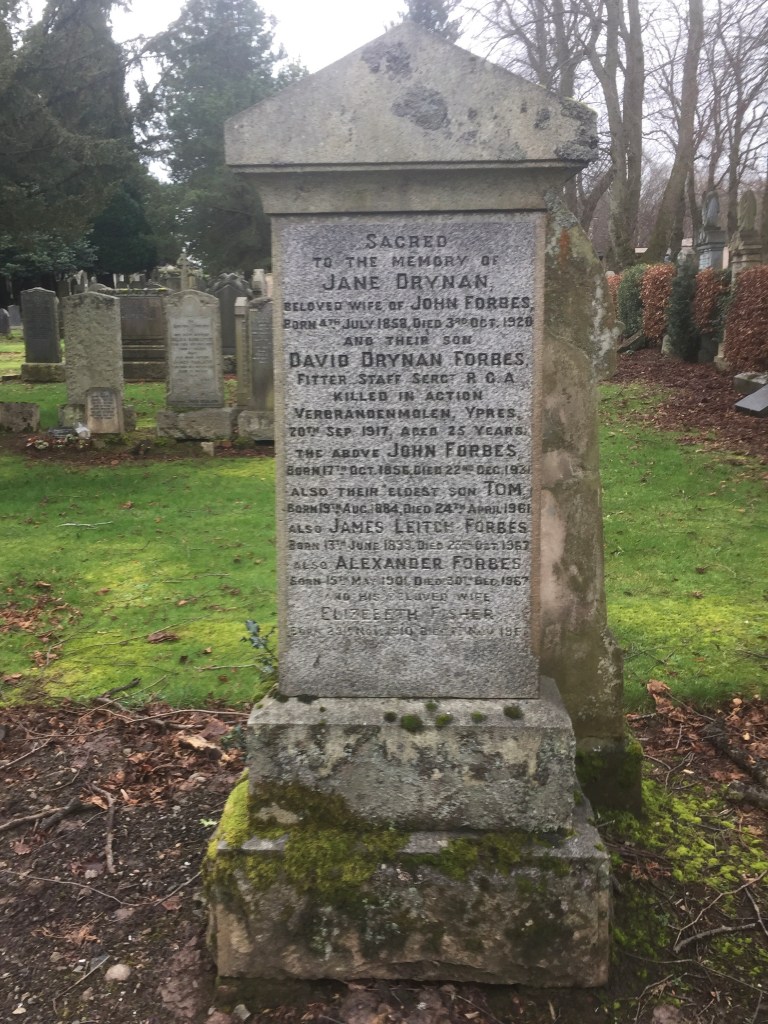
David Forbes 26 March 1892 at 22 Selkirk Road, Hamilton, Lanark. The following family information is taken from the 1901 and the family headstone at Hamilton.
His family is shown as follows :-
- Father: John Forbes, born 17 October 1856 at Old Monkland, Lanark – Secretary, CO-OP Society. Died:22 Dec 1931.
- Mother: Jane Drynan or Forbes, born 4 July 1858 at Ayr, Ayrshire. d:3 Oct 1920.
- Brother: Thomas, born 19 August 1884 at Holytown, Lanark. d:24 Apr 1961.
- Sister: Agnes C., born c.1888 at Hamilton, Lanark.
- Sister: Mary S., born c.1890 at Hamilton, Lanark.
- Brother: John, born c.1895 at Hamilton, Lanark.
- Sister: Jane D., born c.1897 at Hamilton, Lanark.
- Brother: James Leitch, born 13 June 1899 at Hamilton, Lanark. d:23 Oct 1967.
- Brother: Alexander Forbes, born 15 May 1901
Addresses
The following addresses have been ascertained for David Forbes from De Ruvigny’s Roll of Honour, Pension Card and the 1901 Census. :-
- 1892: 22 Selkirk Road, Hamilton, Lanark.
- 1901: 22 Selkirk Road, Hamilton, Lanark.
Medals
David Forbes was awarded the 1914-15 Star, Victory and the British War Medals for his service in the Great War.
Memorials
David Forbes is honoured and remembered on the following memorials :-
- Hamilton Roll of Honour, Town Hall, Cadzow Street, Hamilton.
- Scottish National War Memorial, Edinburgh Castle.
Links to Additional Information
- Commonwealth War Graves Commission: David Forbes.
- Find a Grave website: David Drynan Forbes.
- A Street Near You website: David Forbes.
- Lives of the First World War: David Forbes.
References
- 1901 Census (Ancestry.
- Soldiers Died in the Great War (Ancestry).
- Register of Soldiers Effects (Ancestry).
- Pension Cards (Western Front Association).
- Medal Index Card (The National Archive).
- Medal Roll: Royal Garrison Artillery – Victory and British War Medals (Ancestry)
- Commonwealth War Graves Commission.
- Find a Grave.
- De Ruvigny’s Roll of Honour.
- 98 Heavy Artillery Group War Diary. (The National Archive)
- Hamilton Advertiser: 13 October 1917, page 1 (British Newspaper Archive).
Groups
Contributors:-
- Vincent Stuart.

