14th Battalion, Argyll and Sutherland Highlanders, 24 April 1917
Synopsis of Life and Military Service
Early life and enlistment
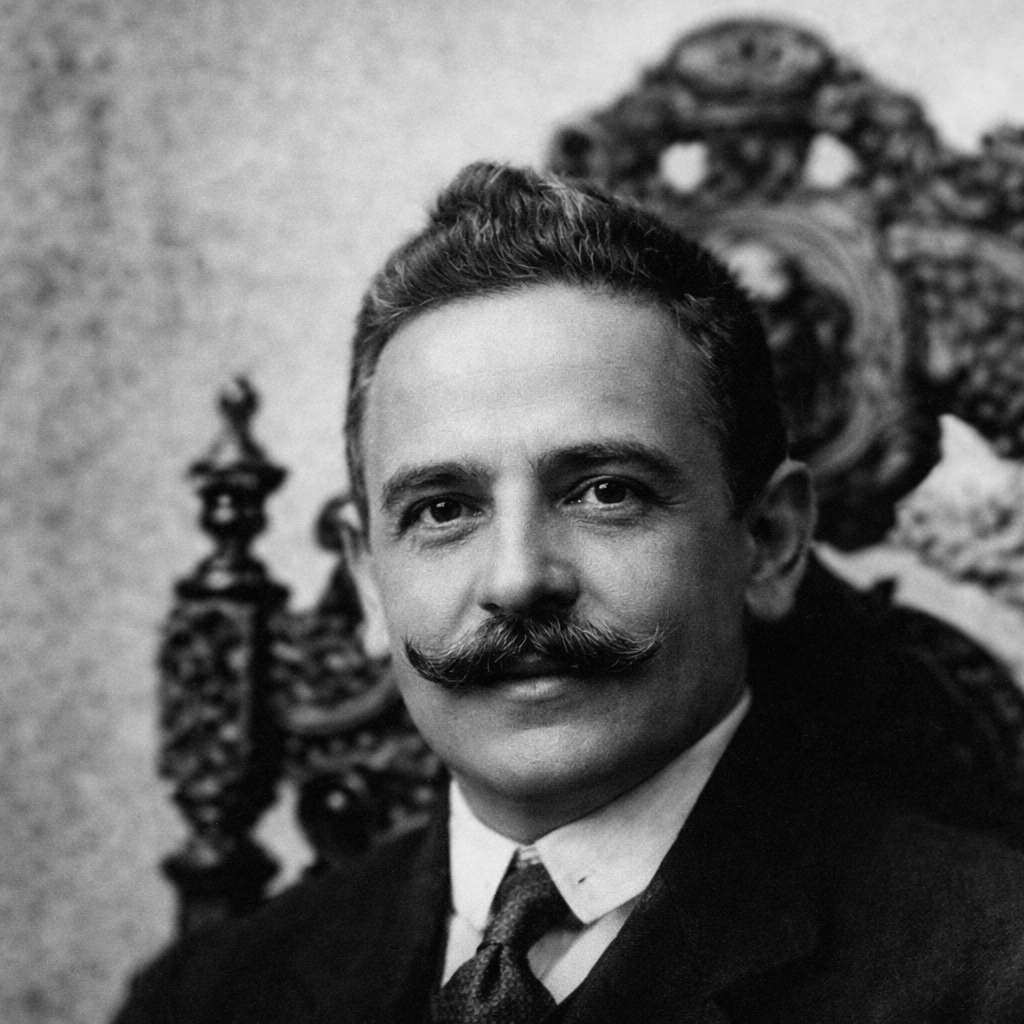
Robert Grant Thomson was born on 15 February 1891 at Upper Middleton, Glamis, Perthshire, just days after his parents’ marriage in Edinburgh. His father, Thomas Sinclair Thomson, worked as a footman at Dalhousie Castle, while his mother, Marjory Grant, raised the family.
Before the war, Robert, known as “Bobbie”, built a working life as a monotype caster at the Stirling Observer. But when war broke out in August 1914, he did not hesitate. In September 1914, he enlisted in Edinburgh, becoming the first member of the newspaper staff to volunteer.
Into the war
After training, Thomson disembarked for France on 23 February 1915 with the 2nd Battalion, Argyll and Sutherland Highlanders. He would later serve with the 14th Battalion, in ‘D’ Company.
For over a year, he endured trench warfare on the Western Front. Then, in 1916, came a glimpse of his resilience.
A report from the Bridge of Allan Gazette (29 July 1916) described how his battalion had been “in the thick of it.” During heavy fighting, Thomson was shot through the left leg. Despite this, he dragged himself three miles to a dressing station.
He later wrote to friends from hospital in Sheffield, saying he considered himself “very lucky.” It was a modest remark from a man who had survived something extraordinary.
After recovery, he returned to the front.
The Final Battle – 24 April 1917
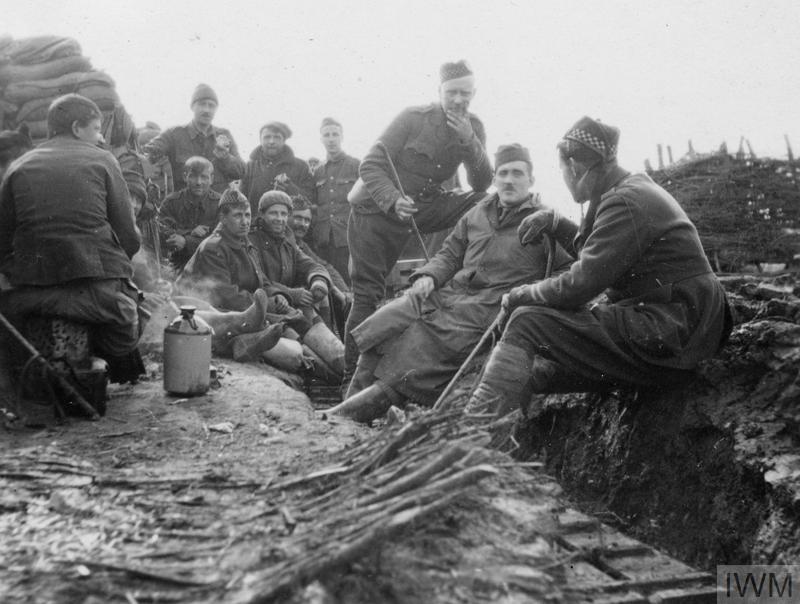
By April 1917, the battalion was engaged in fierce fighting near Beaucamp on the Somme. The war diary for the 14th Argyll and Sutherland Highlanders, captures the chaos of the day Robert Thomson died.
At 4:15 a.m., the attack began:
“Artillery barrage began… The (enemy) trench was protected by strong wire which had not been cut at all by artillery.”
‘D’ Company, Thomson’s company, was at the very front.
“‘D’ Company… tracked through wire with cutters… under heavy fire both from trench immediately in front and from heavy enfilade fire on left.”
This was brutal, close-quarters warfare. The men cut through unbroken barbed wire while under machine-gun and rifle fire. Casualties mounted immediately.
Still, they pressed on.
“The enemy trench was rushed and a number of prisoners taken… after a short but sharp bombing fight.”
By 4:45 a.m., ‘D’ Company advanced again, pushing into Beaucamp village:
“‘D’ Company went straight on to village… closely followed by ‘B’ Company.”
Inside the village, resistance was lighter, but beyond it, the situation worsened.
“Heavy enemy fire… from numerous detached trenches… machine-gun and rifle fire.”
By 5:15 a.m., on the high ground north of the village, the cost became severe:
“‘D’ Company… came again under heavy machine-gun and rifle fire… Captain Mackie… and other officers were all hit… many senior N.C.O.’s and men [were also hit].”
Leadership collapsed under fire. Casualties swept through the ranks. Command of ‘D’ Company passed down to a corporal.
Around them, the battlefield was fragmenting, units isolated, officers wounded or killed, men trying to hold ground under relentless fire.
Supporting companies attempting to reinforce were cut down:
“They came under deadly enfilade fire… officers were killed while gallantly leading their men.”
Throughout the morning, the battalion clung to shattered positions, linking shell holes into makeshift trenches while under constant shelling and sniper fire.
By midday:
“Patrols… came under heavy fire… The village itself was found not to be held by the enemy.”
But by afternoon:
“The enemy had filtered back into the village and were… holding it.”
By nightfall, the survivors of ‘D’ Company withdrew:
“At night, the survivors of ‘D’ and ‘B’ Companies went back to old German trench behind our advanced trench while A & C companies remained in advanced trench… This was consolidated by deepening the narrow trenches between shellholes…”
Before dawn on 25th April, the Battalion was relieved by the 11th Lings Own Royal Lancaster Regiment.
Death and Remembrance
Somewhere in this day of chaos, amid wire, shellfire, and machine guns, Private Robert Grant Thomson was killed.
He was 26 years old.
The Stirling Observer of 22 May 1917 recorded his death, noting he had served two years in France and had previously survived a serious wound. His younger brother was also serving.
Robert has no known grave.
Today, he is remembered on the Thiepval Memorial, which commemorates over 72,000 missing British and South African soldiers of the Somme.
Bridge of Allan Gazette
Extract from the above publication dated 29 July 1916 :-
FORMER “OBSERVER” EMPLOYEE
PRIVATE ROBERT G. THOMSON, A. AND S.H.
Writing to friends in Stirling, Private Robert G. Thomson tells them his battalion has been “in the thick of it,” and that he was laid out with a wound in the left leg, a shot going right through it. After being wounded he had to drag himself along a distance of three miles to the dressing station. He is now in hospital at Sheffield and is getting on well. “Bobbie” considers himself very lucky.
Previous to the outbreak of the war Private Thomson was employed as a monotype caster in the “Observer” office. He was the first member of the staff to volunteer for active service when hostilities commenced enlisting at Edinburgh in September, 1914. He has been over eighteen months at the front.
The Stirling Observer
Extract from the above publication dated 22 May 1917 :-
THE TOLL OF THE WAR. STIRLING AND DISTRICT CASUALTIES – KILLED
PRIVATE R.G. THOMSON
Private R.G. Thomson, Argyll and Sutherland Highlanders who prior to war breaking out was employed as monotype caster for three and a half years in the “Observer” Office, Stirling. He enlisted in September, 1914, and was two years in France, where last year he was wounded in the leg. His younger brother is serving with the Scottish Rifles. Private R.G. Thomson was the elder son of Mr and Mrs Thomson, 10 Viewforth Square, Edinburgh.
War Diary – 14th Argyll and Sutherland Highlanders
Due to the substantial length of the War Diary entry for 24 April 1917, relating to the 14th Argyll and Sutherland Highlanders, it has been made available through the attached link below. Link to Diary Entry.
Family
Robert Grant Thomas was born on 15 February 1891 at Glamis, Perthshire. The following family information is taken from the 1901 and 1911 Census.
His family is shown as follows :-
- Father: Thomas Sinclair, born c.1870 at Penicuik, Midlothian – Footman / Storekeeper.
- Mother: Marjory Thomson, born c.1861 at Coupar Angus, Perthshire.
- Brother: Thomas W., born c.1897 at Edinburgh.
- Sister: Marjory B., born c.1899 at Edinburgh.
Addresses
The following addresses have been ascertained for Robert Thomson :-
- 1901: 11 Prospect Street, Edinburgh.
- 1914: 10 Viewforth Square, Edinburgh.
Medals
Robert Thomson was awarded the 1914-15 Star, Victory and the British War Medals for his service in the Great War.
Memorials
Robert Grant Thomson is honoured and remembered on the following memorials :-
- The Men of Stirling War Memorial, Corn Exchange Road, Stirling.
Links to Additional Information
- Commonwealth War Graves Commission: Robert Thomson.
- Find a Grave website: Robert Thomson.
- A Street Near You website: Robert Thomson.
- Lives of the First World War: Robert Grant Thomson.
References
- Soldiers Died in the Great War (Ancestry).
- Register of Soldiers Effects (Ancestry).
- National War Memorial Index (Ancestry)
- Pension Cards. (Western Front Association)
- Medal Index Card.(The National Archive)
- Medal Roll: Argyll and Sutherland Highlanders: 1914-15 Star.
- Medal Roll: Argyll and Sutherland Highlanders: Victory and British War Medals.
- Commonwealth War Graves Commission
- Find a Grave
- The Bridge of Allan Gazette dated 29 July 1916, page 3.
- The Stirling Observer dated 22 May 1917.
- Birth Certificate: Robert Grant Thomas. (Scotlands People)
- 1901 Census (Ancestry).
- 14th Battalion Argyll and Sutherland Highlanders War Diary. (The National Archive)
Groups
Contributors:-
- Vincent Stuart. (Main Story)
 WW1 LIVES