1/6th (Cyclist) Battalion, Norfolk Regiment,
12 December 1917
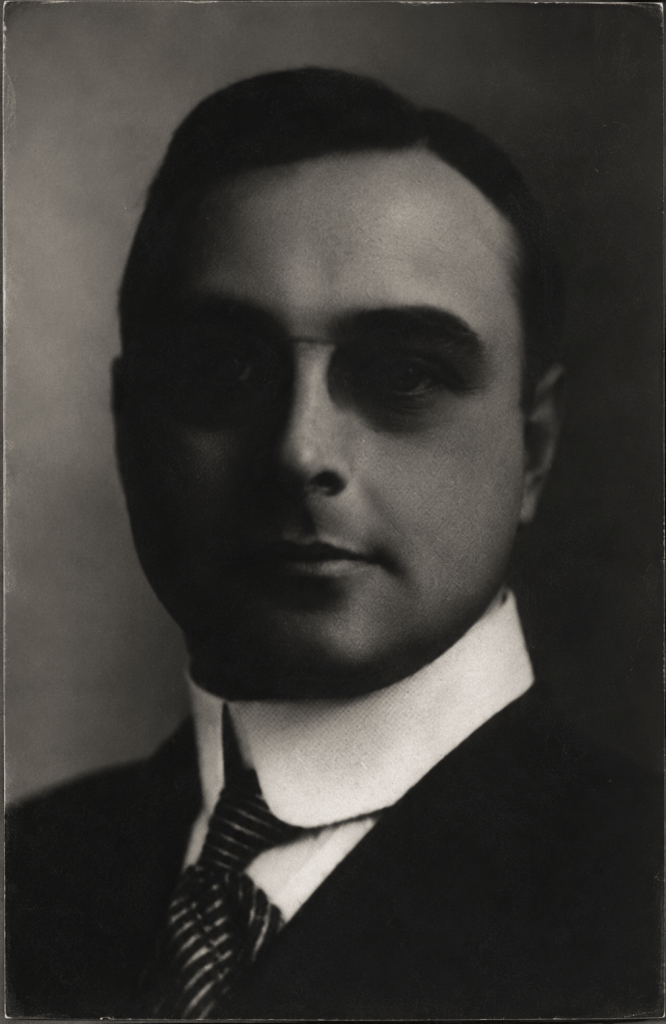
Synopsis of Life and Military Service
Early Life and Family Background
Herbert Joseph Jacques was born on 15 July 1880 in Brixton, London, the son of Joseph John Jacques, a stonemason, and his wife Elizabeth Jane Line or Jacques. He was baptised at St Philip’s Church, Lambeth, on 8 August 1880, while the family were living at 1 Allardyce Street, Ferndale Road, Brixton.
During his childhood the family moved across South London. Around 1886, Herbert attended Stockwell Road Board School in Brixton before being admitted to Calvert Road School, Greenwich, on 20 August 1888 by his father. At that time the family lived at 8 Lovegrove Place, Walnut Tree Road, Charlton. He remained at the school until 23 August 1890, several months after his fathers death in the March of that year.
By the time of the 1891 Census, Herbert was living at the Royal Albert Orphanage Asylum in Camberley, Surrey. Despite the name, children housed there were not always orphans. It is likely that following the death of his father, the family had fallen upon difficult financial circumstances and the institution provided Herbert with education and care during his youth.
Civilian Life and Employment
In the 1901 Census Herbert was recorded as a boarder with the Walker family at 24 Arodene Road, Lambeth, London. His occupation was listed as a stockbroker’s clerk, suggesting he had entered clerical and financial work during his early adulthood.
By 1908 he was residing in West Ewell, Surrey, lodging with Mrs. J. E. Line at a property named “Clovally.” Electoral records indicate he rented accommodation there for £1 per week. He resided there until sometime in 1911 according to the Electoral Register.
The 1911 Census shows Herbert now living at 165 High Street, Egham, Surrey, where he was head of the household. Living alongside him were his mother Elizabeth and his sister Agnes. Herbert’s occupation was recorded as both “Refreshment Caterer” and “Stock Broker’s Clerk,” while his mother and sister were also listed as refreshment caterers. The family appear to have operated a small catering business together while Herbert continued clerical employment.
Joining the Army
Herbert’s military service began during the difficult recruiting period of the First World War. His attestation papers reveal that he originally attested on 10 December 1915 probably under the Derby Scheme, officially known as the Group System. This scheme encouraged men aged between 18 and 40 to voluntarily pledge their willingness to serve when called upon, while allowing them to remain temporarily in civilian employment until mobilisation.
At the time of his enlistment and mobilisation on 19 October 1916, Herbert was living at “Elvaston,” Epsom Road, Ewell, Surrey, and working as a clerk. Interestingly, military paperwork records him under the name “Joseph Herbert Jacques.” Initially allocated the service number 3446 with the London Rifle Brigade, this was later altered and he became Private 266332 of the 1/6th (Cyclist) Battalion, Norfolk Regiment. He was described physically as standing 5 feet 7 inches tall with a chest measurement of 39 inches and a 4-inch expansion, while his mother, Elizabeth, was listed as his next of kin.
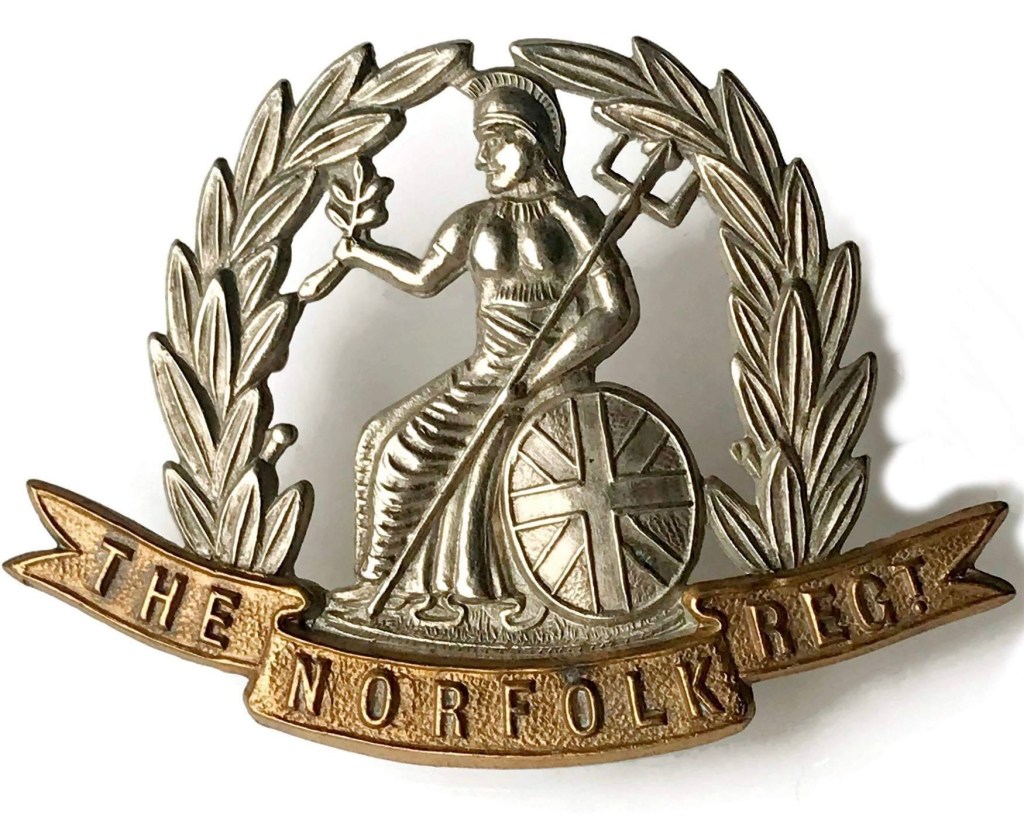
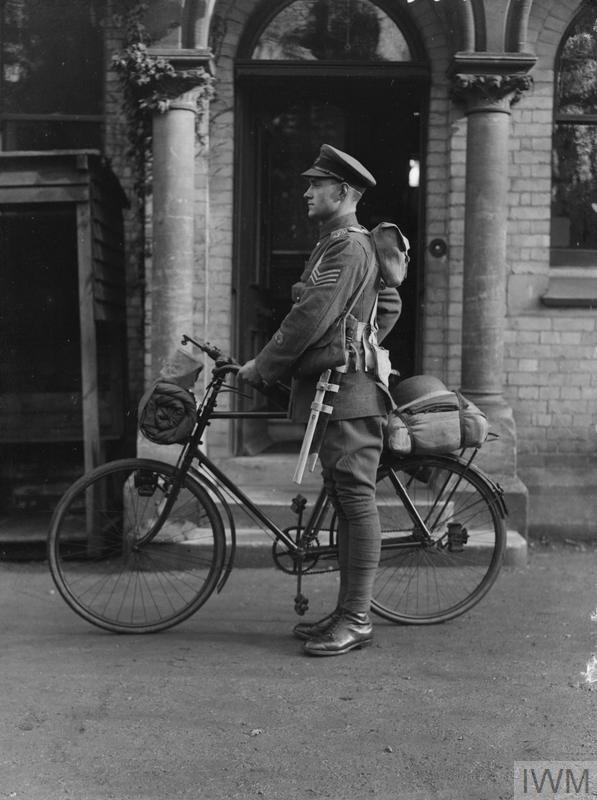
Herbert served with the 1/6th (Cyclist) Battalion, Norfolk Regiment, whose role was home defence, covering approximately 66 miles of the Norfolk coastline from Sandringham to Gorleston using cycles and motorcycles, with headquarters based at North Walsham. However, his military service was short-lived. He never served overseas and did not enter a theatre of war. During his service he developed diabetes, which medical authorities determined had originated in February 1917 and was neither caused nor aggravated by military service. The illness left him totally incapacitated and he was discharged on 8 June 1917 under King’s Regulations paragraph 392 (xvi) — “Sickness.”
For his service he received the Silver War Badge, number 186456, issued to honour those discharged through illness or wounds sustained during service. He was also granted a gratuity payment of £55 under Royal Warrant regulations to assist his return to civilian life.
Illness and Struggles After Discharge
Following his discharge Herbert suffered not only from diabetes but also from neurasthenia, a condition commonly associated during the war with nervous exhaustion and psychological strain. He became a patient at the Manor War Hospital in Epsom for two months following his discharge from the military before eventually returning home and resuming civilian work in September 1917.
Although outwardly attempting to rebuild his life, evidence later presented at his inquest showed that he experienced periods of depression. According to his mother, he had no financial worries and had never openly threatened to take his own life, though he occasionally complained of feeling low.
Disappearance and Death
On the morning of 12 December 1917 Herbert left his home in Ewell intending to catch the 9.14 train from Epsom to London for work. When he failed to arrive, concern quickly grew and extensive inquiries were made into his whereabouts, but without success.
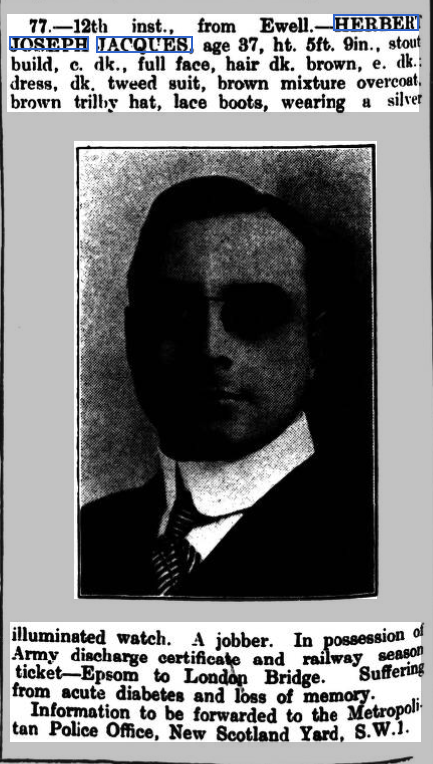
The Police Gazette magazine, published on 11 January 1918, gives notice to the police forces that Herbert was a missing person. He is described as 5ft 9in, stout build, dark complexion, full face, dark brown hair, and dark eyes, wearing a dark tweed suit, brown mixture overcoat, brown trilby hat, lace boots, and a silver illuminated watch. A jobber. In possession of an Army discharge certificate and a railway season ticket from Epsom to London Bridge. Suffering from diabetes and loss of memory. Information was requested to be forwarded to the Metropolitan Police Office, New Scotland Yard.
On 10 January 1918, an anonymous letter sent to the police led officers to woodland near Green Lane between Leatherhead and Epsom Downs. There, suspended from a beech tree by a webbed waist belt, they discovered Herbert’s frozen body.
Among his possessions were his Army discharge papers, a season railway ticket, money, cigarettes, keys and the Silver War Badge he wore proudly on his coat lapel. Nearby lay his overcoat and hat. A newspaper dated 12 December 1917 was found on his person, confirming he had likely died shortly after disappearing.
An inquest held at Leatherhead Institute on 18 January 1918 heard evidence from his mother and police officers involved in the discovery. The jury ultimately returned a verdict of “Suicide while of unsound mind.” They also expressed deep sympathy for his mother Elizabeth.
Herbert is buried at plot 186a (Old Groud), St. Mary’s Churchyard, Ewell, Surrey.
Probate and Legacy
The National Probate Calendar later recorded that Herbert Joseph Jacques of “Elvaston,” Epsom Road, Ewell, Surrey, had been last seen alive on 12 December 1917 and that his body was discovered on 10 January 1918 at Highlands Farm, Epsom. Administration of his estate was granted to his widowed mother Elizabeth Jane Jacques on 28 January 1918. His effects were valued at £313.
Herbert Joseph Jacques never served on the battlefields of the Great War, yet like many men of his generation, the conflict nevertheless left its mark upon his life. His story reflects the often-overlooked experiences of those whose health failed during service and whose struggles continued long after leaving the Army.
Wimbledon Herald dated 18 January 1918
A SAD DISCOVERY
An inquest was held at the Leatherhead Institute on Friday afternoon on the body of Herbert Joseph Jacques (37), stockbroker’s clerk, “Elvaston”, Epsom-road, Ewell, who had been missing since December 12th and whose body was found in the woods between Leatherhead and Epsom Downs on the 10th inst.
Elizabeth Jane Jacques identified the body as that of her son. She said he left home on December 12th to catch the 9.14 Epsom to London train. The following day they heard he had not been to work and inquiries as to his whereabouts were made in various directions, but without result. He joined the Army in October, 1916, being attached to the Norfolk Regiment Cyclists Battalion, and was discharged in December with a good character, on account of his being physically unfit, he was suffering from diabetis and neurasthenia. After his discharge he was a patient for two months at the Manor War Hospital. Following that he was at home some time, and took up duties last September. He had never threatened to take his life. After leaving hospital he was attended by Dr. Ryecart. When he went out on December 12th he did not seem particularly depressed, but his complaintat made him very depressed at times. He had no financial worries.
Sergeant Rose said on Thursday morning an anonymous letter was received at the Leatherhead Police Station addressed to the Inspector. It read, “I was through (sic) the Old Green-lane leading from Leatherhead to Epsom Downs, and as I was looking over the hedge I saw a man hanging from a tree. He was quite dead, otherwise I should have cut him down. It is on the right-hand side of the lane where the three steam ploughs are at work.” Witness went to Green-lane and in the wood on the right hand side, going from Leatherhead to Epsom Downs, he saw deceased suspended twelve feet, from the ground, by a webbed waist belt, from the limb of a beech tree. The body was frozen to the tree. Deceased was fully dressed except that his overcoat and hat were on the ground about 14 yards from the tree. Pince-nez were still on deceased’s nose. Witness searched the body, and found a copy of the “Daily Telegraph,”dated December 12th, a wristlet watch, money, a season ticket, a cigarette case containing cigarettes, a pocket book, and two bunches of keys. Deceased was also wearing a War Service badge.
The jury returned a verdict that deceased committed suicide while of unsound mind, and expressed deep sympathy with the mother. The fees of the jury and of the mother were given to the Leatherhead Cottage Hospital.
Family
Herbert Joseph Jacques was born on 15 July 1880 at Brixton, London. The following family information is taken from the 1881, 1901 and 1911 Census.
His family is shown as follows :-
- Father: Joseph John Jacques, born c.1845 at Lambeth, London. (Stonemason)
- Mother: Elizabeth Jane Line or Jacques, born c.1853 at Westminster, Middlesex.
- Sister: Agnes M.E., born c.1873 at Lambeth, London.
- Sister: Edith M., born c.1875 at Lambeth, London.
His mother and father married on 10 September 1871 at the Parish Church, Marylebone, Middlesex.
Addresses
The following addresses have been ascertained for Herbert Jacques :-
- 1881: 1 Allardyce Street, Ferndale Road, Brixton, London.
- 1888: 8 Lovegrove Place, Walnut Tree Road, Church Lane, Charlton, Greenwich.
- 1891: Royal Albert Orphanage Asylum, Collingwood Court, Camberley, Surrey.
- 1901: 24 Arodene Road, Lambeth, London.
- 1908: Clovally, West Ewell, Surrey.
- 1910: Clovally, West Ewell, Surrey.
- 1911: Clovally, West Ewell, Surrey.
- 1911: 165 High Street, Egham, Runnymede, Surrey.
- 1913: 165 High Street, Egham, Runnymede, Surrey.
- 1914: 165 High Street, Egham, Runnymede, Surrey.
- 1915: 165 High Street, Egham, Runnymede, Surrey.
- 1915 (December): Elvaston, Epsom Road, Ewell, Surrey.
- 1917: Elvaston, Epsom Road, Ewell, Surrey.
Medals
It does not appear that Herbert was awarded any medals for his service during the Great War.
Memorials
I could find no trace of Herbert being commemorated on any war memorial.
Remarks
- The Commonwealth War Graves Commission grave registration documents incorrectly record his cause of death as diabetes.
- In the Police Gazette article, Herbert is described as a “Jobber.” The term had several meanings at the time, but as Herbert was employed within the Stock Exchange, it is believed in this context to refer to a stock exchange dealer who bought and sold securities exclusively through brokers rather than directly with the general public.
Links to Additional Information
- Commonwealth War Graves Commission: Herbert Joseph Jacques.
- A Street Near You website: Herbert Joseph Jacques.
- Lives of the First World War: Joseph Herbert Jacques.
References
- Commonwealth War Graves Commission.
- Silver War Badge Records (Ancestry)
- 1881 Census. (Ancestry)
- 1891 Census. (Ancestry)
- 1901 Census. (Ancestry)
- 1911 Census. (Ancestry)
- Wimbledon Herald dated 18 January 1918. (British Newspaper Archive)
- Medal Index Card. (Ancestry)
- Baptism Records for St Philips Parish, Lambeth, Kennington Road, London. (Ancestry)
- 1908 Electoral Register for Epson(Lodgers). (Ancestry)
- 1910 Electoral Register for Ewell(Lodgers). (Find My Past)
- 1911 Electoral Register for Ewell(Lodgers). (Find My Past)
- 1913 Electoral Register for Egham. (Find My Past)
- 1914 Electoral Register for Egham. (Find My Past)
- 1915 Electoral Register for Egham. (Find My Past)
- Pension Cards. (Western Front Association)
- Short Service – Military Attestation Paper. (Ancestry)
- Calvert Road School, Greenwich Admissions. (Ancestry)
- National Probate Calendar of 1918. (Ancestry)
- The Police Gazette dated 11 January 1918. (British Newspaper Archive)
- C of E, Marriage Banns, St Marylebone, Westminster. (Ancestry)
Groups
Contributors:-
- Vincent Stuart. (Main Story)

