Royal Navy, H.M.S. President III, 6th March 1919
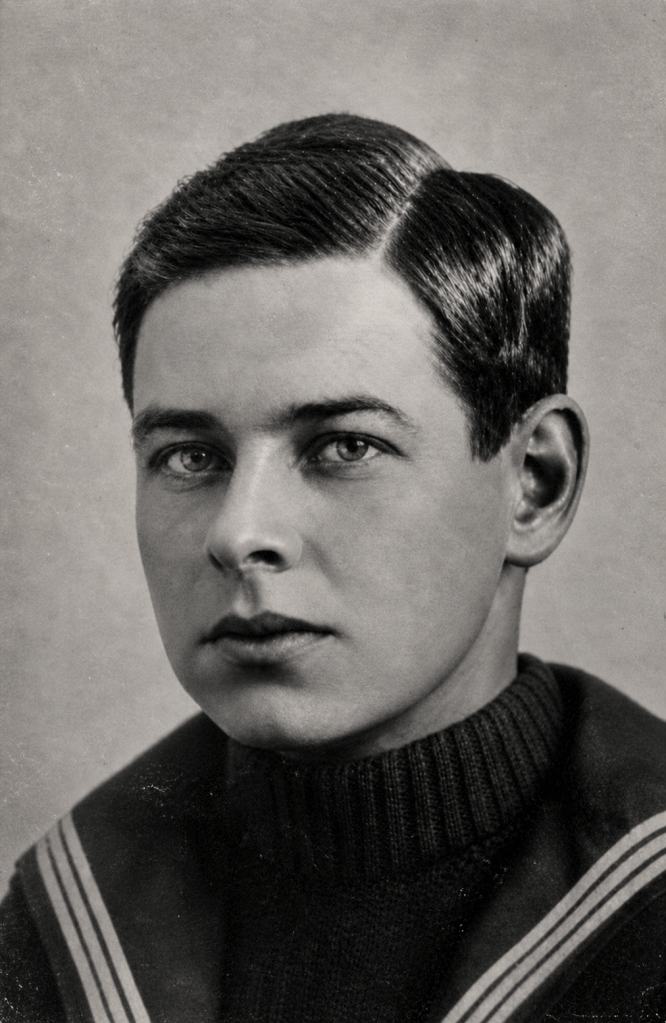
Synopsis of Life and Military Service
A LIFE FROM LOCHEE TO LEADING SEAMAN, THOMAS BOLAND
Early Life in Lochee
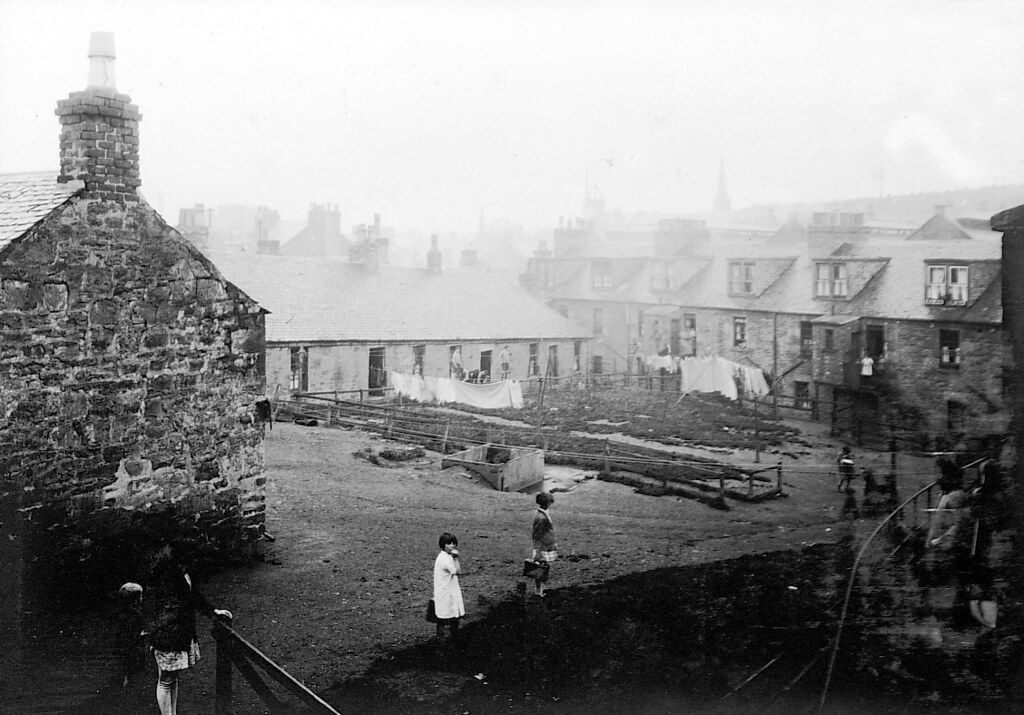
In the bustling mill district of Lochee, Dundee, Thomas Boland was born on 12 August 1893, the second eldest son of William and Annie Boland, both natives of Ireland. Their home at Whorterbank stood in a tightly packed community of labouring families, where life was seldom easy and opportunity often limited.
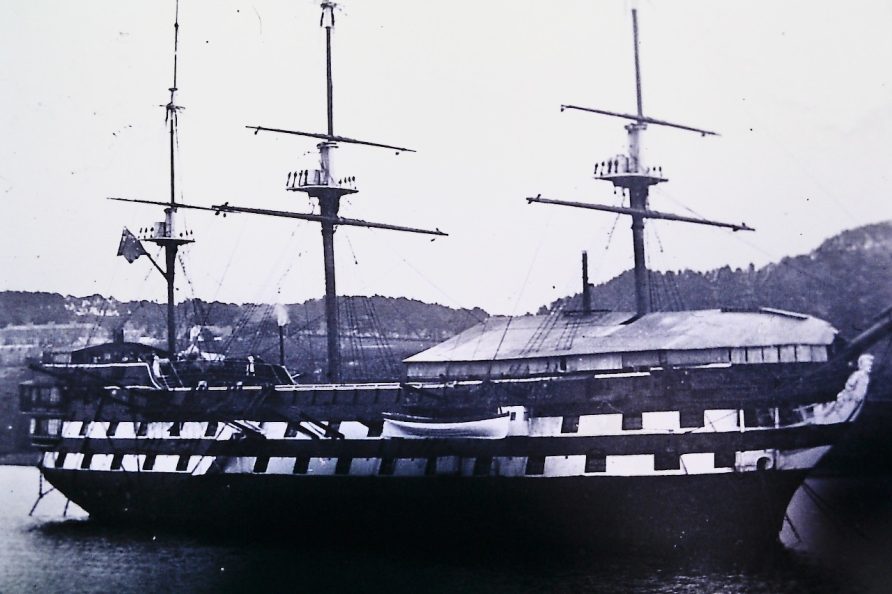
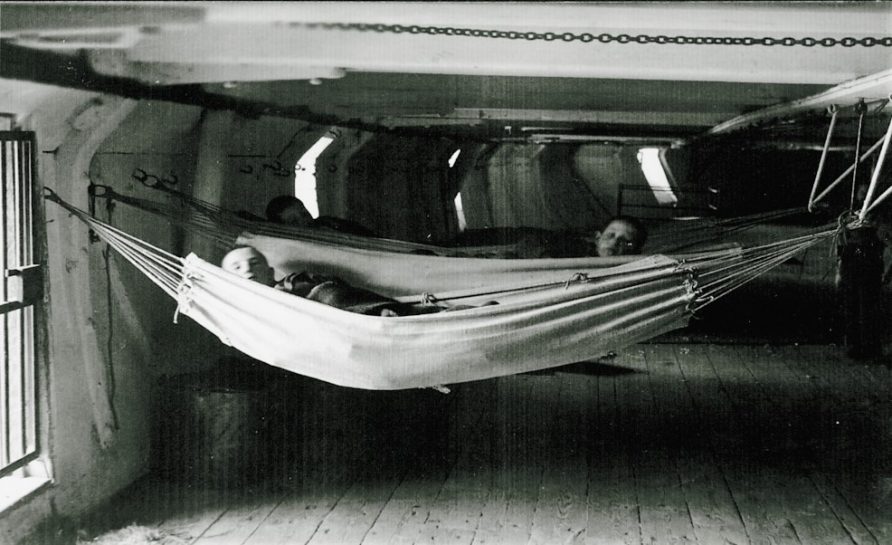
The Training Ship Mars
As a boy, Thomas came under the discipline of the training ship Mars, moored in the River Tay opposite Dundee. The ship, long removed from active naval service, had become a floating school for boys of difficult circumstances. There, under strict routine, rising at dawn, scrubbing decks, and attending lessons, Thomas was shaped for a life at sea. The experience instilled discipline, seamanship, and a familiarity with naval life that would guide his future.
Early Naval Service: Dundee, Leith and Portsmouth
On 25 October 1911, aged just 18, Thomas formally enlisted in the Royal Navy Reserve. In the years before the war, he served at several home stations, including Dundee, Leith, and Portsmouth. These early postings provided essential grounding in naval routine and seamanship.
During this period, he also served aboard vessels such as the collier Wynchwood and the hired trawler Grenadier, gaining practical experience in coastal and support duties. Whether engaged in harbour work, coaling operations, or assisting aboard auxiliary vessels, Thomas developed the skills expected of a young sailor in peacetime service.
He was described as 5 feet 3 inches in height, with a fair complexion, blue eyes, and a 34-inch chest and his religion was a Roman Catholic. His tattoos, clasped hands and the bust of Buffalo Bill on one arm, and two women with the Irish flag on the other, hinted at both youthful character and pride in his Irish heritage.
A Youthful Misstep in Whorterbank
Despite the discipline of naval life, Thomas’s early years were not without incident. In March 1912, he appeared before the Dundee courts following an altercation in Whorterbank, then described in the press as a “lazy corner” where young men gathered.
After intervening in a police arrest and striking a constable, Thomas was charged with assault and attempting to rescue a prisoner. At the Dundee Police Court, his solicitor attributed the matter to youth and drink, and at just 18 years old, he was fined 30 shillings or faced a short term of imprisonment. Having been placed in custody on the 11th March 1912, he was released on the 13th. As his prison records states ‘F.P.P’ in the liberated column of his prisoners record, it is likely that he recieved a ‘Free Pardon’ and was released back into his Royal Naval Reserve duties. It was a fleeting but telling episode of a young man still finding his way.
Return to Civilian Life, 1913
In the summer of 1913, Thomas briefly returned to Dundee’s industrial workforce. He laboured at Cox Brothers (Jute Works) and later at the Dundee Linoleum Works in Lochee. Like many young men of the time, his path was not yet fixed, but the sea would soon call him back.
War Service at Sea
With the outbreak of the Great War in 1914, Thomas resumed full naval duties. Over the course of the conflict, he served on a wide range of vessels, reflecting the varied demands placed upon the Royal Navy.
He was attached to ships such as Pembroke and Amethyst, but much of his service was aboard smaller auxiliary craft, trawlers and yachts adapted for wartime use. Among these were Walwyns Castle, Yokohama, and Iolaire, vessels employed in minesweeping and patrol work. Often lightly armed, they operated in constant danger from mines and enemy submarines.
Thomas was also borne on the books of President III, the administrative base for sailors assigned to Defensively Armed Merchant Ships (DAMS). These merchant vessels, fitted with guns, were vital in defending Britain’s supply lines against U-boat attack. Service aboard them demanded vigilance and resilience in the face of unseen threats.
Discipline and Return to Duty
Thomas’s wartime record included one lapse. On 28 December 1916, he deserted his post. However, on 14 February 1917, he surrendered himself at Glasgow’s Central Police Station. Returned to naval custody at Rosyth, he was sentenced to 42 days’ detention.
Following this punishment, he resumed his duties and continued to serve faithfully. His efforts were recognised in December 1918, when he was promoted to Acting Leading Seaman, evidence that his earlier failing had not defined his character or service.
After the War: Influenza and Loss
Having endured over four years of war at sea, Thomas survived the dangers of mines, storms, and submarines. Yet, like so many others, he fell victim to the influenza pandemic that followed the war.
After contracting influenza, he developed pneumonia and died on 6 March 1919 at 35 Whorterbank, Lochee, Dundee, aged just 25, only days after his demobilisation leave expired on 26 February 1919.
Family Sacrifice
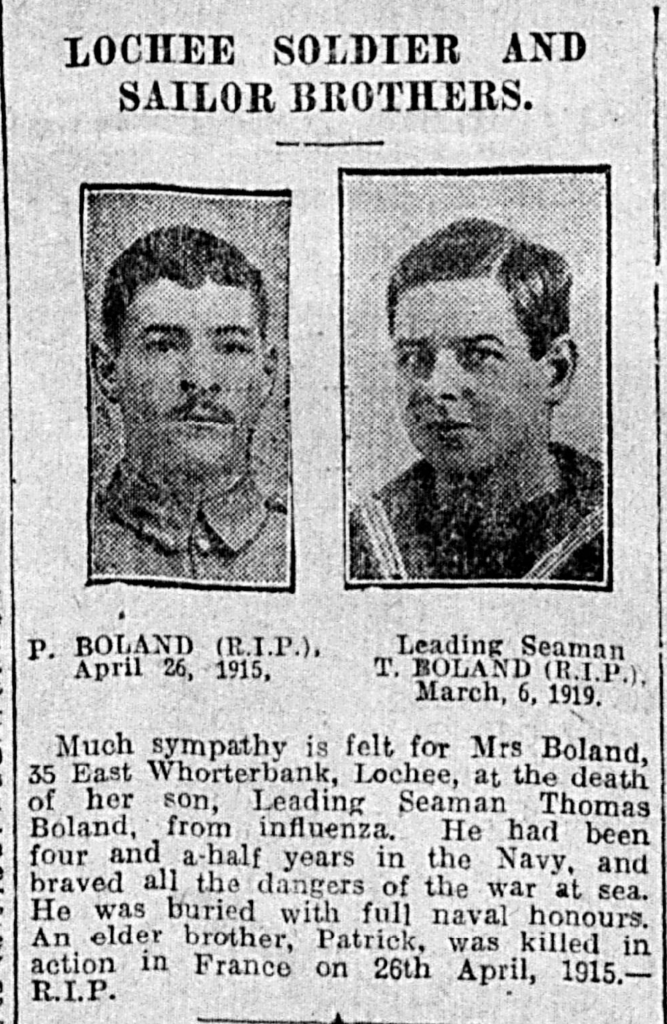
Thomas’s death was a heavy blow to his family in Lochee. His mother, Annie, had already suffered the loss of her elder son, Patrick, who was killed in action in Turkey on 26 April 1915. The Boland family, like many others, paid dearly for the war.
Burial with Naval Honours
Thomas Boland was laid to rest in Balgay Cemetery, Dundee, in Section E, alongside his father. His funeral was conducted with full naval honours, a fitting tribute to a man who had served his country throughout its greatest trial.
From a boy on the training ship Mars, to a young sailor finding his footing between shore and sea, and finally to a Leading Seaman who endured the long years of war, Thomas Boland’s life reflects both struggle and service.
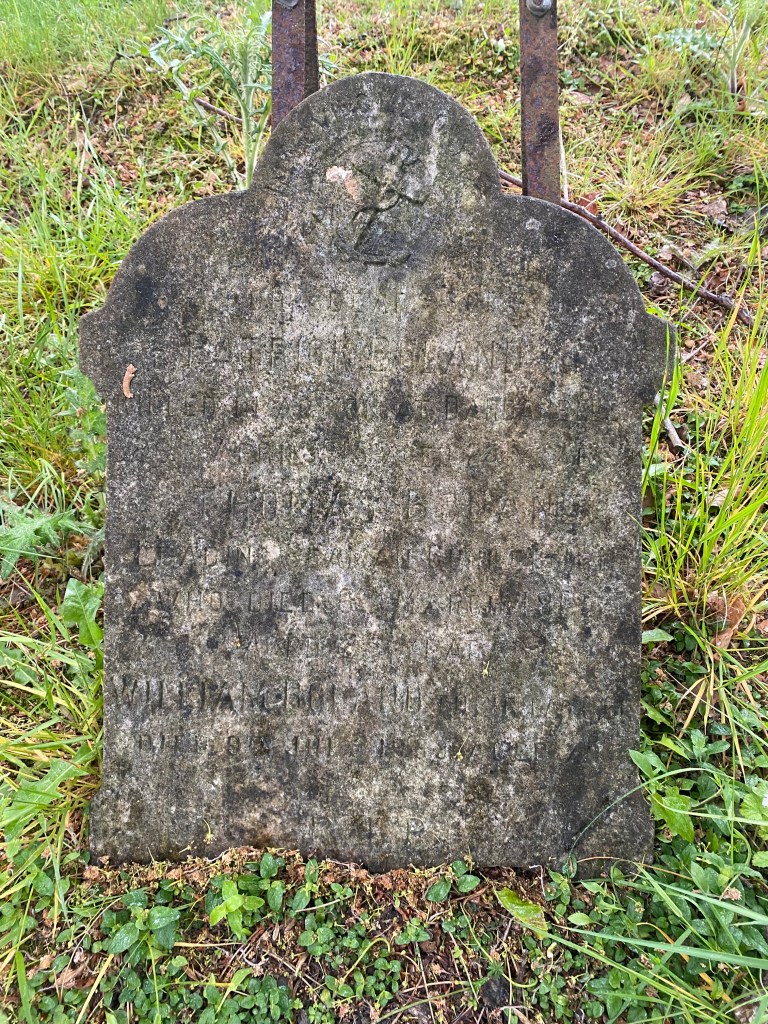
Remembrance
His story is one of resilience, shaped by hardship, marked by moments of error, and ultimately defined by duty.
Dundee Evening Telegraph dated 11 March 1912, page 1
A “LAZY CORNER” IN LOCHEE
The west end of Whorterbank, Lochee is represented to be a “lazy corner,” where it seems, “loafers much do congregate.” The police do their best to keep the corner clear, but it does not appear to be an easy task.
About eleven o’clock on Saturday night two members of the police force had a rough encounter with some of the frequenters of the corner. They ordered a group of young men to “move on.” They all obeyed and walked away, but one of the men returned and took up his former position. When challenged by the constable he is alleged to have butted him on the face and struck him with his fist. The constable apprehended him, and then a young man in the crowd came forward and demanded the officer to release the prisoner, and attempted to drag him from the custody of the officer. When apprehended he bagan to kick and strike the constable.
His name was Thomas Boland, described as a seaman residing at Burnside Street, Lochee. Today he appeared before Bailie Watt, when he pleaded guilty to having attempted to rescue a prisoner and also assaulting Constable Walker.
Mr McWalter, on behalf of the accused, said he was an ex-Mars boy, and was only 18 years of age. A short time ago he returned from Portsmouth, and on Saturday night he had a little to drink. The Bailie imposed a fine of 30s, with the option of twenty days’ imprisonment.
Family
Thomas Boland was born on 12 August 1893 at Lochee, Dundee.
The following family information has been ascertained :-
- Father: William Boland, born c.1868 at Ireland. (Masons Labourer)
- Mother: Ann Phillips or Boland, born c.1871 at Ireland.
- Brother: Patrick, born c.1891 at Lochee, Dundee.
- Sister: Mary A., born c.1896 at Lochee, Dundee.
- Sister: Lizzie, born c.1899 at Lochee, Dundee.
- Brother: John Philips, born 20 April 1904 at Lochee, Dundee.
Addresses
Records show that Thomas lived in:
- 1901: 39 Whorterbank, Lochee, Dundee. (Census)
- 1911: 33 East Whorterbank, Lochee, Dundee. (Navy Records)
- 1912: 49 Burnside Street, Lochee, Dundee. (Newspaper and Prison Record))
- 1919: 35 East Whorterbank, Lochee, Dundee (Death Certificate)
Medals
Thomas Boland was awarded the Victory and the British War Medals for his service in the Great War.
Memorials
I was unable to find any mention of Thomas Boland on any war memorial.
Remarks
Following his death, a number of documents identify his ship as HMS Lochside. However, I have been unable to find any evidence that such a vessel existed.
His exact address in Whorterbank, Lochee, Dundee remains uncertain, as various records list different house numbers on the same street.
As his Naval Record is difficult to decipher, particularly regarding the vessels he served on, I have recorded his service location as HMS President III, as this is one of the final postings listed. His last vessel may have been a barge (Br 10), although this is not entirely clear from the record.
It appears that his mother may have been illiterate, as she signed his death register with an “X”.
I will make a request to the Commonwealth War Graves Commission to have Thomas Boland remembered within that organisation.
A newspaper report published after Thomas’s death, which included a photograph of both brothers, stated that his brother, Patrick Boland, was killed in action in France. In fact, Patrick was killed on the Gallipoli front; his body was never recovered or identified, and he is commemorated on the Helles Memorial.
His younger brother, John, served throughout the Second World War as a cook in both the Pioneer Corps and the Royal Army Service Corps. He is also recorded, along with two others, as having rescued three girls from drowning in September 1934.
Links to Additional Information
- Find a Grave website: Thomas Boland
- Commonwealth War Graves Commission: Patrick Boland
- Mars Training Ship
References
- Royal Navy Reserve Ratings Service Records. (The National Archive)
- Pension Card. (Western Front Association)
- Dundee Evening Telegraph dated 11 March 1912, page 1.
- Dundee People’s Journal dated 22 March 1919, page 16.
- Glasgow Observer and Catholic Herald dated 12 April 1919, page 8.
- British Army and Navy, Birth Marriage and Death Records. (Ancestry)
- Royal Navy Medal and Awards Roll. (Ancestry)
- Death Certificate. (Scotlands People)
- Register of Criminal Prisoners and of Their Religious Persuasion (National Records of Scotland)
Groups
Contributors:-
- Vincent Stuart (Main Article)

